
By contrast, we found little direct evidence of a self-medication model when analyzed at the within-person level. Heavy or binge drinking is a significant factor, as consuming large amounts of alcohol in a short period can alter brain chemistry, triggering anxiety. Individuals who use alcohol to cope with stress, social anxiety, or other mental health issues are at higher risk. Social environments that encourage frequent or excessive drinking, such as parties or gatherings, also contribute to the disorder’s development. Taken together, these findings indicate that binge drinkers exhibit poor identification of emotional and social cues as well as poor emotional responses. These processes constitute risk factors for the perpetuation of excessive alcohol use (e.g., Rupp, Derntl, Osthaus, Kemmler, & Fleischhacker, 2017) and may lead to negative emotional states, reinforcing the vicious circle of AUD (Boden & Fergusson, 2011).

The effects of alcohol on anxiety-like, depression-like, and social behavior immediately and a day after binge drinking
Alcohol-induced anxiety disorder can significantly impact mental health and well-being. However, with the right treatment plan, including medications, home remedies, and lifestyle changes, it is possible to manage and reduce anxiety symptoms effectively. Often considered a first-line treatment for alcohol-induced anxiety disorder, sertraline is particularly effective for individuals with chronic anxiety. They typically begin six to twelve hours after the last drink and can include anxiety, insomnia, nausea, sweating, and tremors.
It is worth noting that the changes happening in the brain due to binge drinking vary in individuals. For instance, alcohol-naive individuals who binge drink have an increased risk of going into a coma at lower BAC levels than those who are addicted to alcohol and thus have a higher tolerance for the substance. Binge drinking typically involves consuming five or more alcoholic drinks for men and four or more for women within about two hours.
Binge Drinking and Alcohol Use Disorder

The foundation provided by support groups such as these can be helpful as you work to understand your relationships to alcohol better and relate to peers who have been through similar experiences. Different cities and communities often have unique offerings, so be sure to research local resources. Sharing your struggles with a trusted friend, family member, or mentor can provide crucial accountability and emotional support as you seek to understand and change your drinking habits. Opening up about your challenges helps you stay committed to your goals and receive valuable encouragement.

Alcohol & Stendra®: what you need to know
Thus, exposure to EE during adulthood significantly reduced responses in cue-induced reinstatement of heroin seeking after continued heroin self-administration in a fixed ratio schedule in Long Evans rats (Galaj et al., 2016). Understanding what defines binge drinking is key to preventing excessive alcohol use and reducing its impact on physical and mental health. The significant financial burden that binge drinking places on the National Health Service, estimated at £2.7 billion annually, underscores the urgent need for educational initiatives aimed at addressing this issue. Whether it’s adolescent binge drinking, high-intensity drinking among adults, or underage drinking below the legal drinking age, the risks are real and serious. At California Prime Recovery, we work closely binge drinking and anxiety with individuals and families to treat alcohol abuse and offer recovery options backed by clinical and experimental research, helping clients break free from excessive drinking and live healthier lives. Frequent high alcohol intake trains the brain to crave more, causing physical dependence and loss of control.
Psychological Effects

These effects contribute to day-after dread, even if you don’t have an anxiety disorder diagnosis. How long this anxiety (and other hangover symptoms) lasts depends on factors like how much you’ve consumed, your assigned sex at birth, and your weight. If you are caught in the cycle of alcohol and anxiety, seeking help from a dual diagnosis treatment center can make a significant difference. Whether you are experiencing signs of being a functional alcoholic or struggling with the health effects of binge drinking, early intervention can prevent more serious complications. Our team at Sana at Stowe is here to guide you through a personalized treatment plan that addresses both alcohol use disorder and anxiety. The relationship between alcohol and anxiety is a multifaceted one, with implications that extend beyond the immediate effects of drinking.
Future research might also ask why education and income demonstrate such opposite effects on the reduction in binge drinking. Future research could, moreover, explore factors in binge drinking reduction and cessation by individuals in later adulthood. For our temporal-ordered causal analysis of the extracted data, the outcome variable binge drinking type had 3 categories. Binge drinking maintained indicated that, from Wave 3 to Wave 4, the respondent did not change their binge drinking behavior. Change to non–binge drinking denoted that a respondent had a binge drinker status at Wave 3 but had a non-binge drinker status at Wave 4.
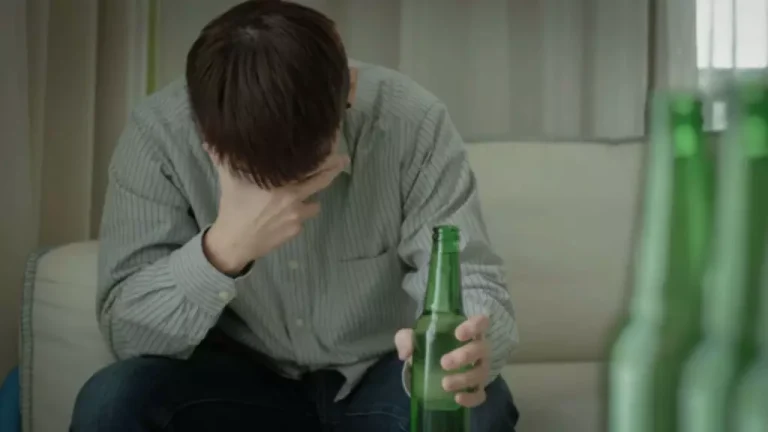
Conditions such as generalized anxiety disorder, depression, or bipolar disorder can be significantly worsened by alcohol use. In some cases, alcohol can trigger episodes of these conditions that persist long after the alcohol has left the system. While binge drinking may provide a temporary escape from depressive symptoms, it does not offer any real, lasting relief. Binge drinking can lead to alcoholism and prevent an individual from seeking solutions that can provide deeper, lasting relief. Dehydration, disrupted sleep patterns, and fluctuations in blood sugar levels can also contribute to feelings of anxiety the day after drinking.
Finally, few studies to-date have addressed the concern of power in detecting these effects, which meta-analyses have suggested are relatively small in magnitude (Dyer et al., 2019; Hussong et al., 2017). Well-designed studies utilizing appropriate statistical methods may be better able to detect these effects if they are present, and conversely, increase confidence in null results when these effects are not found. The present sample was drawn from the National Longitudinal Study of Adolescent to Adult Health, or Add Health, data set 35.
Addiction To Alcohol And Anxiety As Co-Occurring Disorders
In conducting Sobriety this temporal-ordered causal analysis, we measured most of our explanatory variables at Wave 3, and measured each variable’s Wave 3-to-Wave 4 difference. If an explanatory variable’s wave-to-wave difference had a positive value, that meant its value at Wave 4 had risen above its baseline. If a variable’s wave-to-wave difference had a negative value, that meant its value at Wave 4 had fallen below its baseline. For the Add Health research, there were few explanatory variables that were measured at Wave 3 but not Wave 4.
- Treatment providers are available 24/7 to answer your questions about rehab, whether it’s for you or a loved one.
- Additionally, the psychological grip of binge drinking can make it increasingly challenging to resist the urge to drink.
- Third, binge alcohol self-administration during early adolescence caused prolonged changes in behavioral and neural measures in adulthood.
- Paroxetine is often prescribed when other SSRIs are ineffective or when anxiety symptoms are more severe.
- Support of these results come from investigations of emotional response after drinking alcohol at binge levels.
Can binge drinking cause alcohol withdrawal?
It is difficult to draw meaningful conclusions from the present data about the relationship between amygdalar CRF cell number, alcohol drinking, and anxiety-like behavior. However, an abundance of data suggests that alterations in amygdalar CRF relate to alcohol drinking and anxiety-like behavior in rodents, particularly those with a history of chronic high-dose alcohol exposure. Alcohol-preferring rats exhibit high levels of anxiety-like behavior and excessive drinking 76, and have lower CRF mRNA expression and peptide content, but exhibit higher sensitivity to CRF administration in the CeA relative to non-preferring rats 76, 77. CRF immunoreactivity is reduced in alcohol-dependent rats two hours into withdrawal from chronic intermittent vapors, a time when these animals engage in heavy alcohol consumption (interpreted as increased CRF release 35).